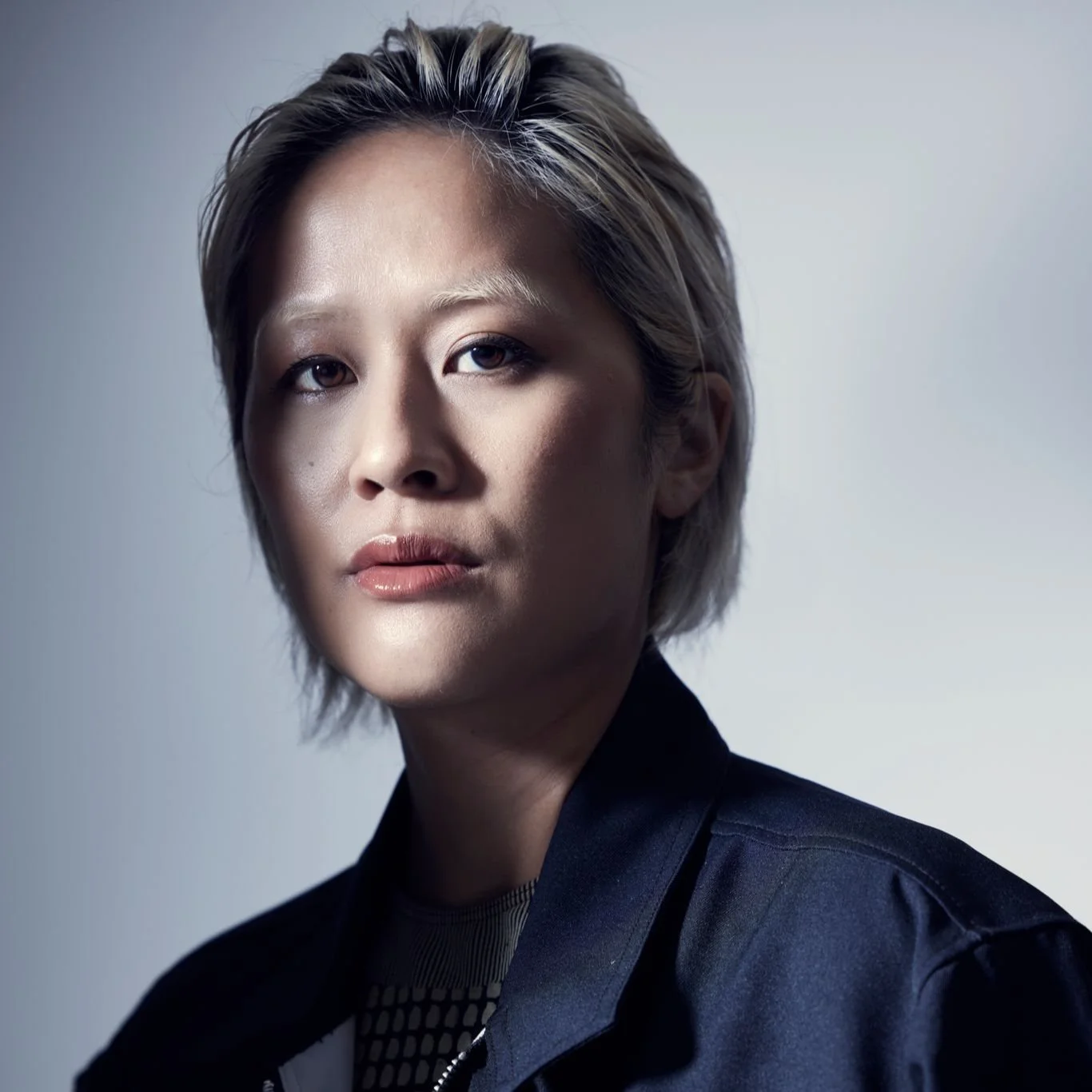
“I like the idea of transforming existing mythology—particularly in a digital space—as a way of exploring diasporic identity, and the liminal spaces we inhabit.”
Read More
“I like the idea of transforming existing mythology—particularly in a digital space—as a way of exploring diasporic identity, and the liminal spaces we inhabit.”
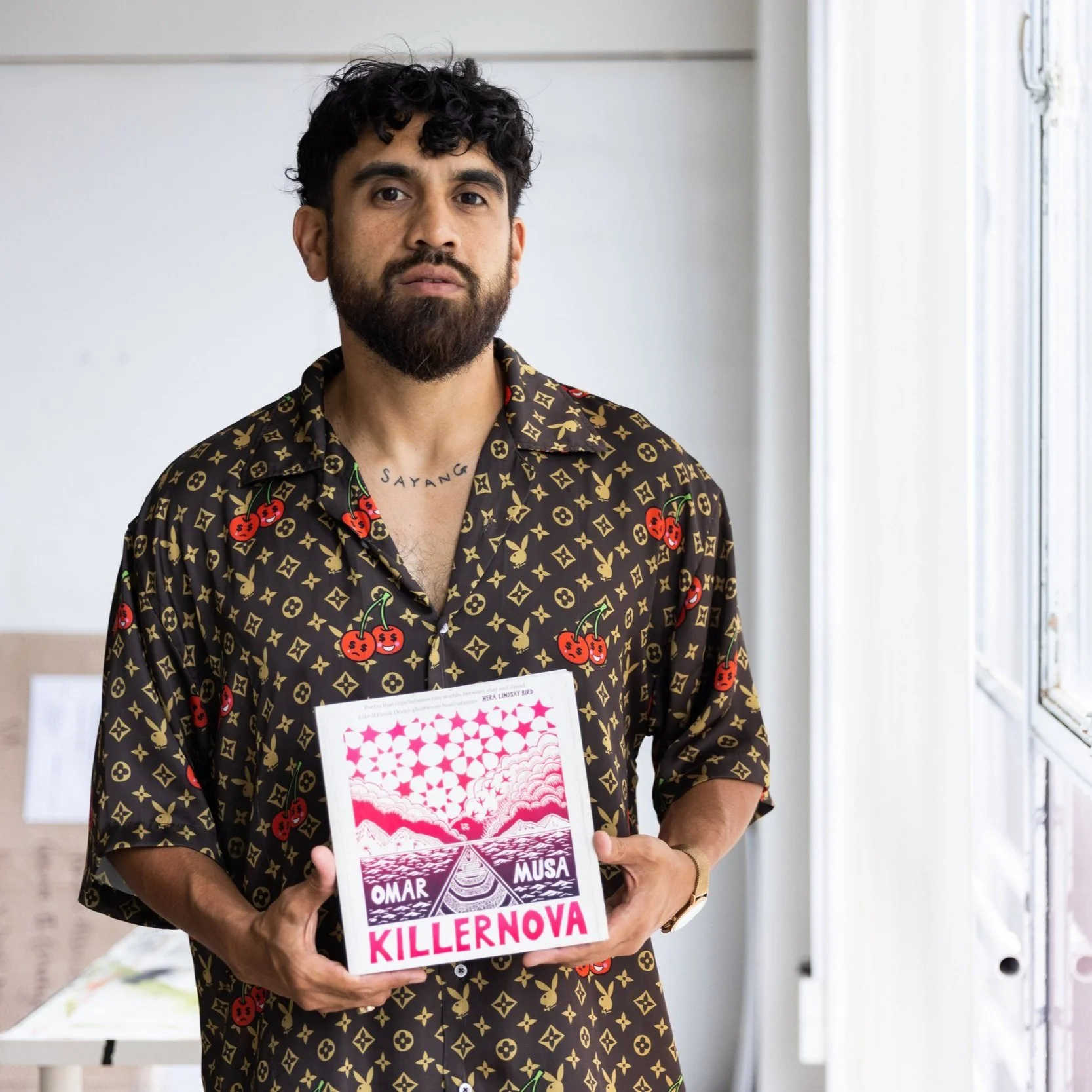
Read More“[…] I actually think most of my work fits into the category of confessional poetry, and is only perceived as protest poetry because it happens to be me, Omar Bin Musa, a brown, Muslim-Asian-Australian, who is making it, so in that context, merely speaking or putting pen to page seems like an act of resistance to some of the more toxic mythologies of Australia.”
Read More“But love is not simply about survival. Non-privatised love plays a crucial role in revolutionary struggle, it reminds us of our mutuality and has the capacity to unite the collective.”
Read More“How do I live with the risk of repeating unequal and violent power structures? One way might be to think of my task as the work of a caretaker or curator, someone assembling an archive of life and resistance in detention.”
Read More“[…] it feels significantly more fruitful to try to understand ‘the world’ as a continuous, dislocated war of coloniality that comes to know itself primarily through the theft and plunder of Africa and the New World and then through the ongoing reification and reformation of those networks and machines of extraction and accumulation.”
Read More“I wanted to attack the notion of care with questions and break it open: what does it mean to come from a country of women who are expected to perform the gendered, racialised labour of care? How does my settlership on stolen land disrupt care systems of First Nations people?”
Read More“I’ve always felt a strong affinity with metal, especially growing up in Indonesia, where the landscape of ancient culture and historical suppression is a perfect environment for metal and extreme music to thrive.”
Read More“It’s interesting to me how much of Asian literature is about grappling with the self, language and decontextualisation following war, colonisation, and the loss of national identity.”
Read More“My focus now is unpacking the governing logics and relations of the colony, and this is always interwoven into how I think about and work with sound and creative communities too.”
Read More“I wanted to be part of a program that spoke to the challenges we faced from a place of ambition and social change, and one that addressed the massive knowledge gap between early career creatives and industry veterans.”
Read More“Our history in this country is intersectional and diverse, not just the colonial version we are barrelled with all the time in the national narrative.”
Read More“Any decision I made about what or what not to include was based on what I thought best served the work, not what was best understood by the industry or by a hypothetical audience.”
Read More“It has also made me understand the deep connection between Western and Eastern music. There is no difference between how we use sound to express ourselves, whether the basis is on [the] 12-tone or pentatonic [scale].”
Read More“Over the past year, it has been somewhat strange and frustrating to see Southeast and South Asian voices—and the specific ways in which we experience racism as distinct from our East Asian counterparts—left out of the discussion of anti-Asian racism.”
Read More“I am constantly reminded that our collective knowledge structures about writing (and many other things) are fundamentally inherited from hegemonic powers still at play today.”
Read More“This sense of un-belonging within myself and in my immediate environments prompted me to explore this segmented cultural identity. I was curious about how much of our identity is ours to dictate.”
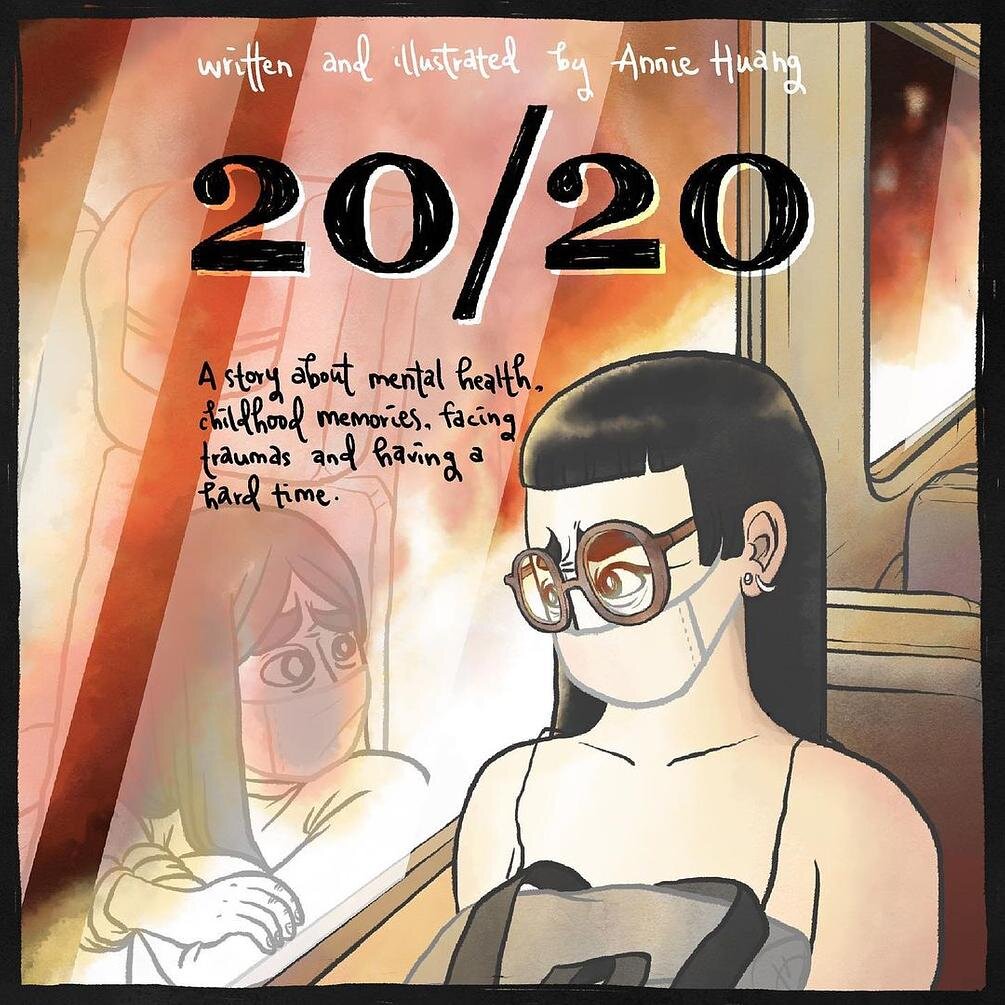
Read MoreAnnie Huang speaks to Liminal about 20/20, their new comic about one week in January 2020.
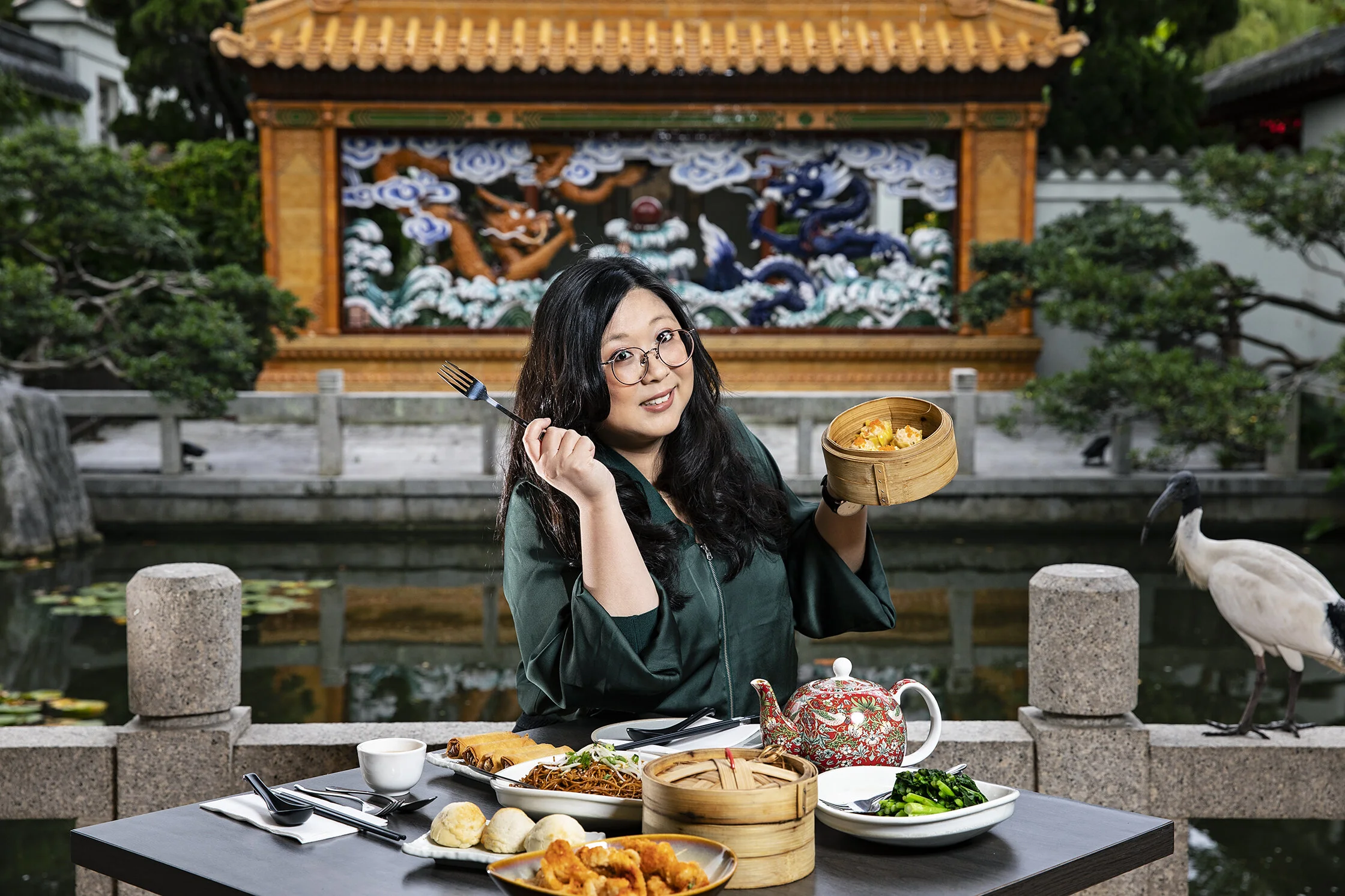
Read MoreLin Jie Kong and Jennifer Wong talk to us about Chopsticks or Fork, a love letter to Chinese restaurants in regional Australia—and the families who keep them running.
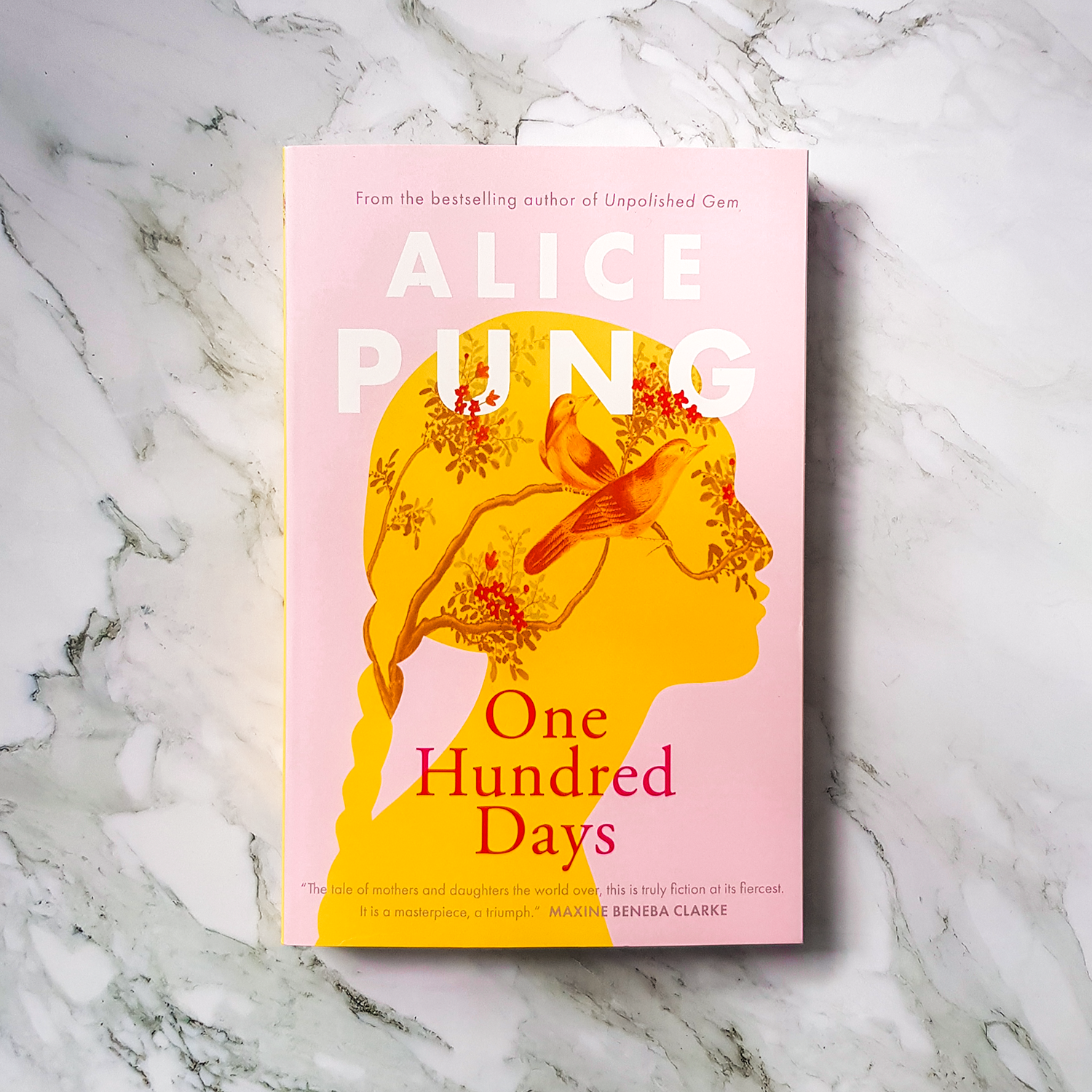
Read More‘In this book, I wanted to explore two main questions: what is love, and what is abuse—emotional, physical and spiritual?’
Read More“A lot of what I’m trying to access in the music I make is the kind of ecstatic and fantastical states that allow us to disrupt the mundane and the everyday and be able to imagine ourselves in that kind of beyond.”
Read More